


Why Is Water Pooling in My Yard After Summer Rain?
Summer rainstorms can bring much-needed moisture to your lawn and gardens, but if you're left with large puddles that linger long after the skies clear, it could be a sign of a bigger issue.
While it's normal to see a little standing water immediately after a heavy rainfall, water that remains for more than 24 to 48 hours often points to poor drainage, improper grading, or soil problems. Left untreated, these issues can damage your lawn, attract mosquitoes, contribute to erosion, and even affect your home's foundation.
If you've been wondering why water keeps pooling in your yard, here are the most common causes—and what you can do about them.
1. Your Property May Have Poor Grading
One of the most common reasons for standing water is improper grading.
Your property should gently slope away from your home, allowing rainwater to flow naturally toward a safe drainage area. If the land is flat or slopes in the wrong direction, water has nowhere to go.
Signs of grading problems include:
Water collecting in the same locations after every rainfall
Puddles near your home's foundation
Soft, muddy areas that never seem to dry out
Professional grading can correct the slope of your property and improve drainage for years to come.
2. Low Spots Are Trapping Water
Over time, your yard may develop low areas due to soil settling, erosion, or previous construction.
These depressions naturally collect rainwater and can quickly become muddy, unusable areas during the summer.
If the same section of your yard floods after every storm, a low spot is likely to blame.
3. Your Soil Isn't Draining Properly
Not all soil drains water at the same rate.
Clay-heavy soils, which are common in many parts of Ontario, absorb water slowly. During heavy summer storms, the soil simply can't keep up, leaving water sitting on the surface.
Signs of poor-draining soil include:
Water that remains long after the rain stops
Soft or spongy ground
Grass that struggles to grow in wet areas
Improving drainage often requires more than adding topsoil—it may involve grading or installing drainage solutions designed for your property.
4. Downspouts May Be Adding to the Problem
Your home's downspouts move hundreds of litres of water during a rainstorm.
If they're too short or discharge water close to the foundation, they can quickly overwhelm one section of your yard.
Take a look after the next rainfall and make sure water is flowing well away from your home.
Extending downspouts or improving drainage around the foundation can make a significant difference.
5. Heavy Rain Is Washing Water Faster Than Your Yard Can Handle
Summer storms often produce intense rainfall in a short amount of time.
If your property isn't designed to move water efficiently, runoff can collect in low areas instead of draining naturally.
This is especially common on:
Large rural properties
Sloped lots
Newly developed properties
Yards with compacted soil
6. Standing Water Can Cause More Than Mud
Many homeowners see puddles as a minor inconvenience, but persistent standing water can lead to much bigger issues.
It can contribute to:
Lawn damage
Soil erosion
Foundation moisture problems
Mosquito breeding
Damage to gardens and landscaping
Unsafe walking conditions
Addressing drainage problems early helps protect both your property and your investment.
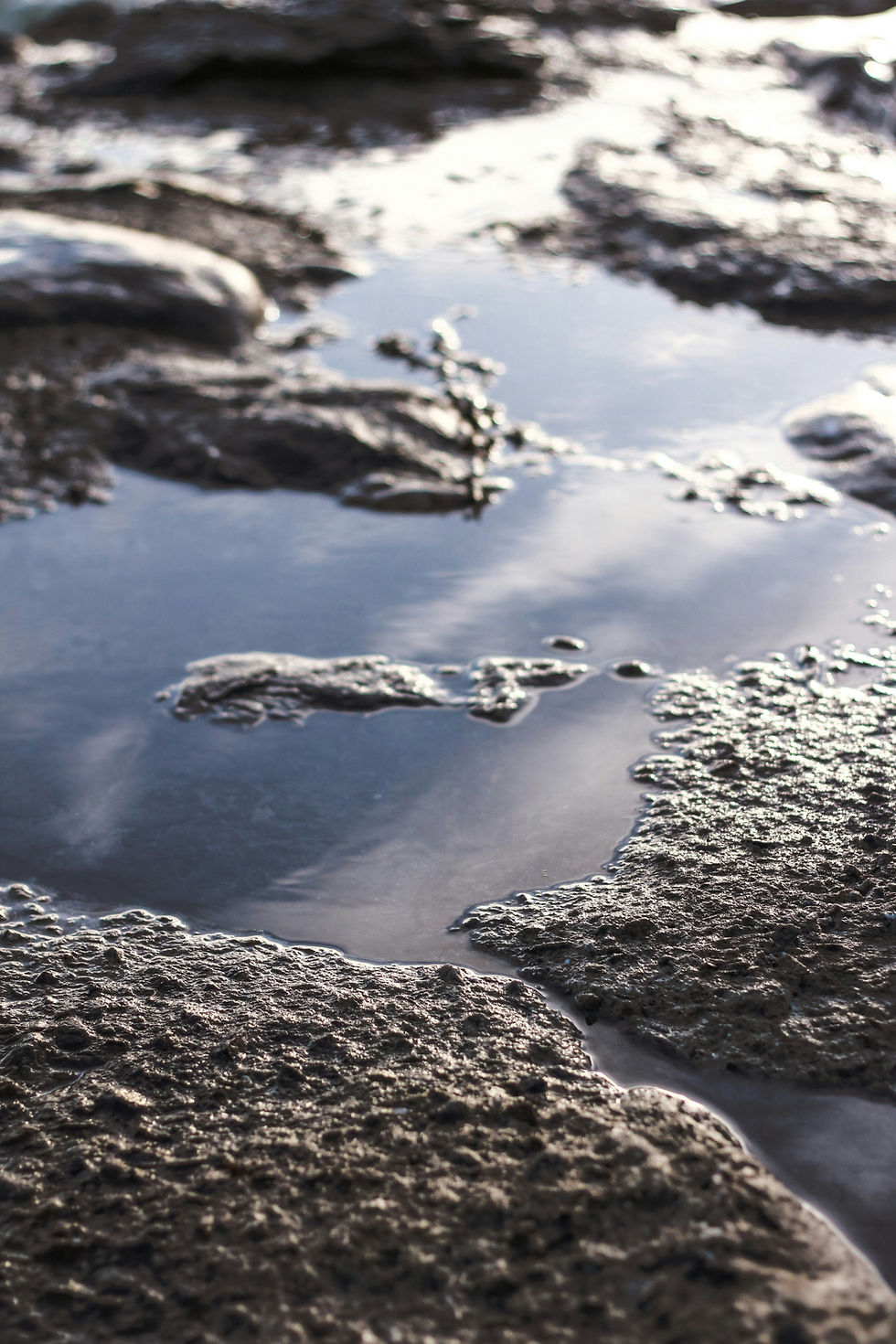
How Can You Fix a Yard That Floods After Rain?
The right solution depends on what's causing the problem.
Professional drainage solutions may include:
Regrading the property
Filling and correcting low spots
Improving water flow
Installing drainage systems where needed
Reshaping the landscape to direct water away from structures
Every property is different, so a professional assessment can help identify the most effective long-term solution.
When Should You Call a Professional?
If you notice any of the following, it's time to have your property evaluated:
Water remains for more than 48 hours after rain
Flooding happens after every major storm
Water collects near your home's foundation
Your lawn is consistently muddy or unusable
You're seeing erosion or washed-out areas
Small drainage issues rarely resolve themselves—and often become more expensive over time.
Enjoy a Dryer, More Functional Yard
Your yard should be a place to relax, entertain, and enjoy the summer—not a collection of muddy puddles after every rainfall.
Addressing drainage and grading issues now can help protect your home, improve your lawn's health, and make your outdoor space far more enjoyable throughout the season.
Burns Landscape & Excavation helps homeowners throughout Perth, Lanark County, and surrounding communities solve drainage problems with professional grading, excavation, and property improvement solutions tailored to Ontario conditions.
👉 If your yard isn't draining properly this summer, we're here to help you find a long-lasting solution.


Comments